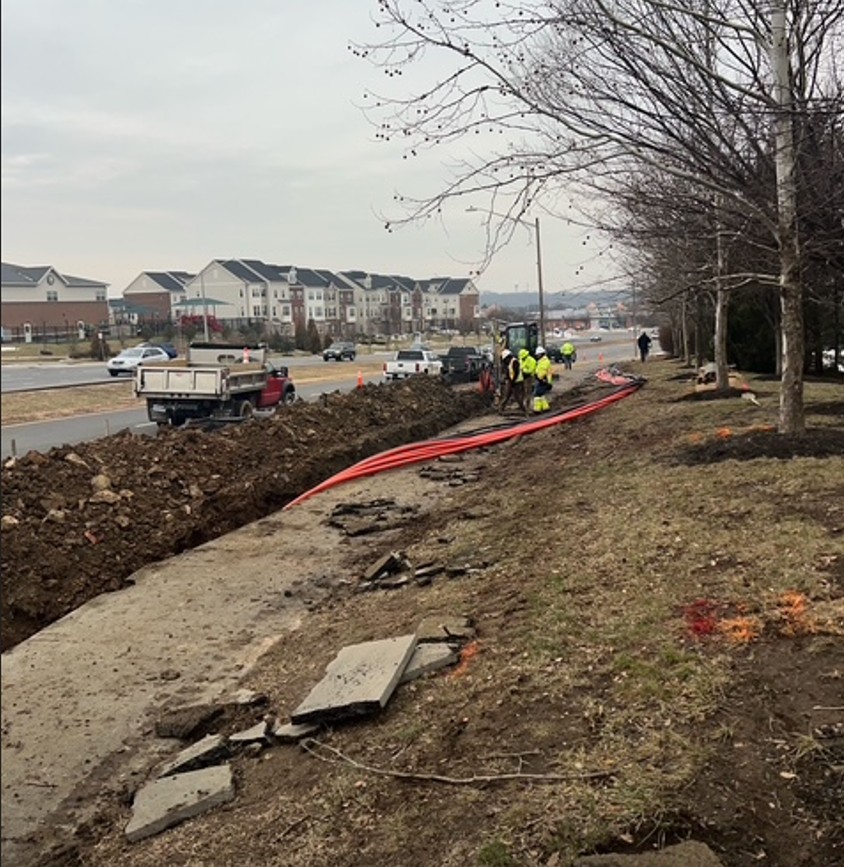
What Is Horizontal Drilling?

Horizontal drilling is a directional-well technology that turns the drill bit sharply away from the vertical borehole so it bores parallel to the surface through a target rock formation. Invented in the 1970s and perfected over the last two decades, it is now the backbone of modern oil and gas production — and is finding growing use in geothermal, water, and environmental remediation projects.
How It Works
Drilling starts with a conventional vertical well. Once the drill bit reaches a predetermined depth, the bottom-hole assembly is steered using a mud motor, bendable drill collar, or rotary-steerable system. The operator monitors gamma-ray and resistivity data in real time to keep the bit inside the sweet spot — the productive layer of rock — and can adjust the trajectory thousands of feet below the surface without touching the rig floor.
After entering the target zone, the bit bores horizontally. Lateral sections can stretch from a few hundred feet to well over 15,000 feet, allowing one well to contact an enormous slice of the reservoir that a vertical well could never touch.
Key Advantages Over Vertical Drilling
- Exposure: A horizontal well can contact 5–10× more reservoir rock than a vertical well, drastically boosting production rates.
- Fewer pads: One well pad can host multiple laterals spreading out in different directions, reducing surface infrastructure and environmental footprint.
- Access: Layers of rock that are too thin or fractured for vertical wells — like shale formations — become economically recoverable.
- Offshore efficiency: Each offshore rig costs hundreds of millions of dollars; horizontal laterals squeeze maximum value from every wellbore.
Real-World Applications
Horizontal drilling is the critical technology behind the U.S. shale revolution, which made America the world’s top oil and gas producer almost overnight. Beyond fossil fuels, it is used to install geothermal wells that extract heat from deep basement rock, carbon capture injection wells that sequester CO₂ deep underground, and remediation wells that clean contaminated aquifers by placing treatment fluids precisely into the polluted zone.

Environmental Considerations
Fewer surface pads and wells mean less land disturbance — a genuine benefit for sensitive ecosystems and agricultural land. However, the long wellbores pass beneath private property, raising legal and rights-of-way questions in some jurisdictions. Spill risk and induced seismicity, linked more to the injection phase of hydraulic fracturing than to drilling itself, remain policy topics in many countries.
The Future
Advances in measurement-while-drilling (MWD) sensors and automated rotary-steerable systems are pushing lateral reach even further. Next-generation tools combined with AI-driven geosteering promise to keep more of the wellbore in the highest-quality reservoir rock — tightening margins further and driving the energy transition forward alongside clean-energy horizontal geothermal and CCS projects.
Horizontal drilling has fundamentally reshaped the global energy map. As technology improves, its role in both conventional and clean-energy applications will only grow.
Sources & Credits: Images via Unsplash — contributed by Zach Theo and Arvind Vallabh. Article written for educational purposes.